


Why Nostalgia Still Works in Modern Branding
There's a reason your feed is full of chunky serifs, film grain, y2k aesthetics, pixels and packaging that looks like it was designed in 80s. It's not a trend recycling itself for the fifth time. It's something deeper, and if you work in design or branding, it's worth understanding why it keeps working, even on people who weren't alive when the original thing existed.
We got curious about this - when does nostalgia actually land, when does it miss, and how do you use it so it feels intentional and not random? That's what this piece is about.
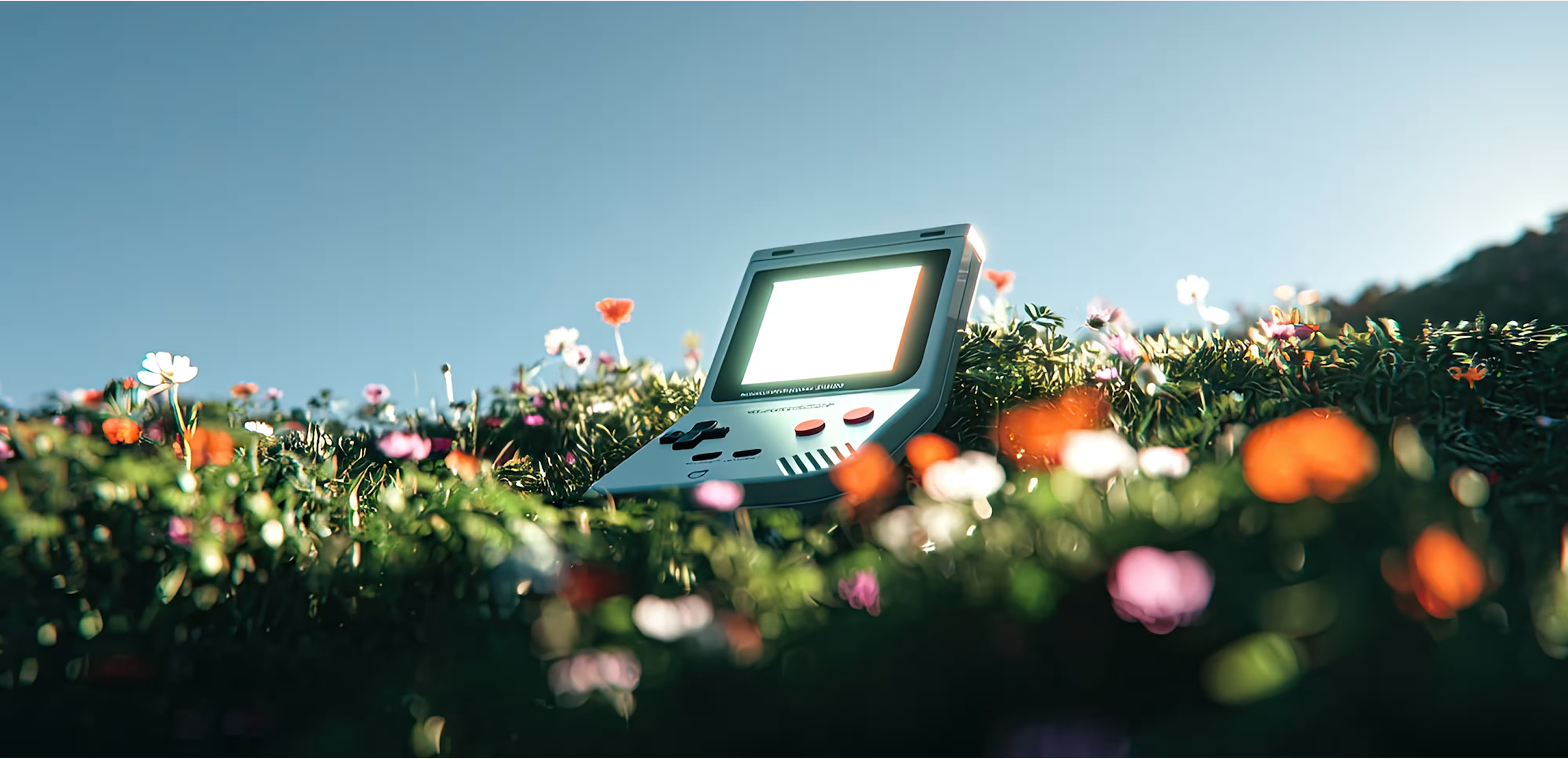
1. The comfort of something you almost remember
Sure, nobody misses dial-up internet. Nobody wants to wait a week for photos to develop. When nostalgia works in branding, it's never about the actual past. It's about feelings.
And nostalgia is a really powerful one. Everyone has it. For childhood, for a simpler time, for a period when things just felt easier. It doesn't even have to be a specific memory. It's more like an emotional comfort, a warmth that certain colors, textures, and shapes can bring back almost instantly. A faded palette, a heavier typeface, a bit of grain, and suddenly something clicks on a level that's hard to explain but easy to feel.
That's why it works so well in branding. There's a simple thing about how people’s brain work: we tend to trust what already feels familiar, even if we can't explain why. It happens on an unconscious level. Something looks like it's been around for a while, and that alone makes it feel more reliable. When a brand manages to tap into that comfort, people connect with it faster and trust it a little more, often without even realizing what happened.

2. You don't need to have been there
Here's the interesting part. Gen Z loves Y2K aesthetics, 90s fashion, vinyl records, film cameras, and they didn't live through any of it. For them it's not nostalgia in the classic sense. They don't have memories attached to these things. But they grew up in a world where everything is optimized, algorithmic, and polished to the point where it all blurs together. Retro stuff breaks that pattern. It has texture, it has quirks, it feels like it was made by a person. That alone makes it stand out.
There's also something about discovery. When you find a vintage aesthetic or an old visual style on your own, it feels like yours in a way that trending content never does. And a lot of Gen Z nostalgia isn't really about a specific decade. It's more about a time before everything was connected, before every moment was documented. The aesthetic becomes a stand-in for a slower, less overwhelming version of life that they never experienced but somehow miss anyway.

3. Just copying the past isn't enough though
Nostalgia in branding works best when you understand why you're using it. It should connect to the brand's own story, its values. A food brand reaching back to its original 60s packaging makes sense because there's a real link there. A fintech app using 70s typography just because it's trending? That's a bit confusing.
It's also important to find the right balance. Copying the past one to one rarely works. The projects that land well take a nostalgic element and combine it with something modern. Some analog texture on the headlines, but the body type stays clean. A retro palette on a contemporary layout. The nostalgic part gives the brand warmth and personality, the modern structure keeps it functional. You're not recreating the past, you're building forward from it.
And then there's the question of which era. Not all decades work for all products. 70s warmth is not 80s neon is not 90s grunge. Picking the right time period for your audience and your brand is half the work. The more specific the reference, the more real it feels.

4. Why AI made this even more relevant
This part is kind of counterintuitive. You'd think with all these powerful generation tools, nostalgia would feel less special. But the opposite happened. When everyone has access to the same AI producing the same smooth, gradient-heavy, geometrically perfect visuals, anything with texture and personality stands out more. A brand that references mid-century pharmacy labels or hand-painted store signage made a specific creative choice. Most AI-generated identities haven't chosen anything. They just look like the average of everything the model learned from.
So rough edges started working in your favor. They make it look like someone actually sat down and thought about this. And the more generic AI output there is, the more that matters.

Wrap-Up
Nostalgia isn't a style. It's a shortcut to warmth, trust, and human connection. The best nostalgic branding doesn't look backward for the sake of it. It borrows emotional resonance and uses it to build something that feels meaningful today.
Trends cycle. Nostalgia keeps coming back because it's not really a trend. It's a human instinct. And the brands that get that will always have an edge over the ones just chasing what's next.
Recent articles

Best Premium Mockup Sites for High Quality Visuals

What is a mockup?


