


The Rise of Realistic Mockups in Branding
Something interesting has been happening in the design world over the last couple of years, and by 2026 it became especially clear. Realistic mockups have moved from being a simple presentation tool to becoming a real part of how brands build their visual identity.
The more digital our world becomes, the more people respond to visuals that feel grounded and relatable, and that is exactly why realistic mockups are showing up everywhere.
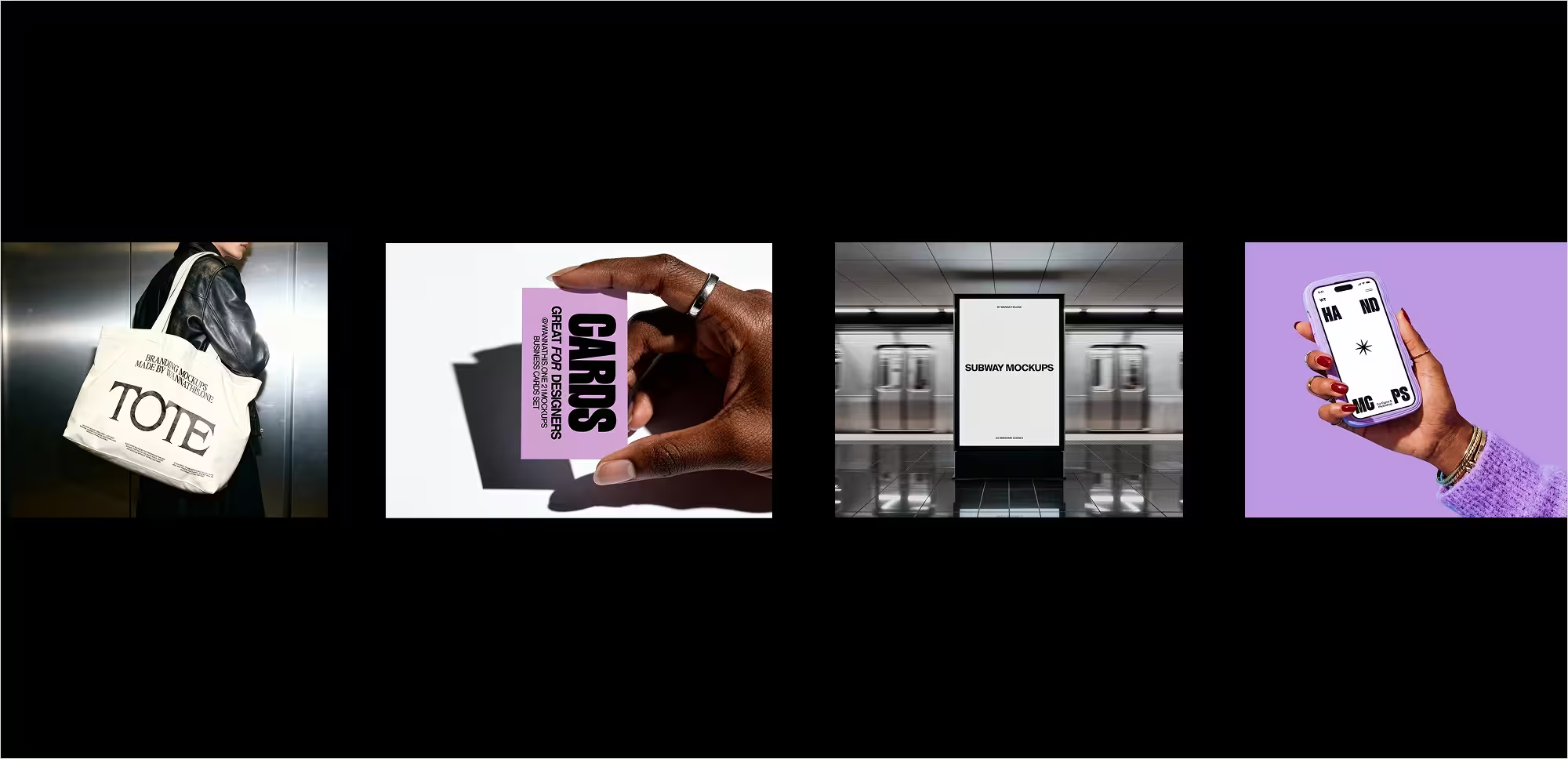
1. Why the realness matters now
It wasn’t too long ago that brands relied on flat previews or simple screenshots dropped into basic templates. It worked, but it never really captured the feeling of how a design lived in the real world. Today audiences notice when something looks overly polished or artificial. They scroll past it without thinking twice.
Realistic mockups bring back a sense of presence. Soft shadows, believable lighting, textured surfaces and subtle imperfections create the kind of warmth that is difficult to replicate in sterile layouts. These small details shape how people emotionally connect with a brand, and that connection is more valuable than ever.

2. Mockups became part of the story, not the last step
Mockups used to be the finishing touch. You made your design, refined it, and only then started thinking about how to present it. That mindset has totally shifted.
Now mockups guide the tone of the project from the beginning. They help define the atmosphere and play a real part in shaping how a brand feels. A realistic mockup doesn’t just show a design, it sets the stage for it. It becomes one more tool for storytelling, which is why designers rely on it earlier and more intentionally.

3. Clients understand design better when it looks real
One of the biggest reasons realistic mockups took off is simple to explain. When clients see their branding in a natural environment, everything clicks. A logo on a store window, packaging on a desk, a poster in real light. Suddenly there is no guessing or imagining. They immediately understand how their brand will look and feel in everyday settings.
This makes conversations easier and decisions faster. There is less confusion, fewer revisions and a lot more clarity because everyone is literally seeing the same thing.

4. The Social Media Advantage
Social media changed how designers think about presentation. Feeds are crowded and fast, and you only get one chance to grab someone’s attention. A realistic mockup has presence. It looks finished, thoughtful and intentional, which makes people pause for a moment.
That pause is everything. It is what turns a post into engagement and a design into something that feels memorable.

5. Quality Over Quantity
Another shift happened quietly but noticeably. Designers became more selective about the mockups they use. They want scenes with good lighting, natural textures and environments that feel believable. Generic stock-style templates don’t resonate anymore.
Realistic mockups allow brands to build emotional consistency, which is why quality now matters more than having hundreds of options. A few great scenes can shape a brand far better than dozens of mediocre ones.
We actually talked more about that effect in our article The Psychology of Presentation: Why Better Mockups Mean Higher Rates, where we break down how stronger visuals make designs easier to trust.

Wrap-Up
Realism isn’t just a visual choice anymore. It reflects a bigger shift toward brands wanting to feel more honest and designers wanting their work to exist in believable, everyday spaces. Realistic mockups make that connection easier. They add clarity, warmth and a sense of presence that flat visuals simply don’t create.
In the end the rise of realistic mockups is really about the desire for more human, grounded branding. And that idea is close to what we try to support at Wannathis - creating scenes that help designs feel real without overshadowing the work itself.
Recent articles

Fonts That Already Look Like a Logo

Best Interior Device Mockups for Designers. From iPhones to MacBooks


